
The endowment effect: once it is home, it is yours
The endowment effect is the habit of valuing something more once it is yours, tried here on a festive-sale kurta that came with free returns.
- thinking-traps
- autopilot
- hermes
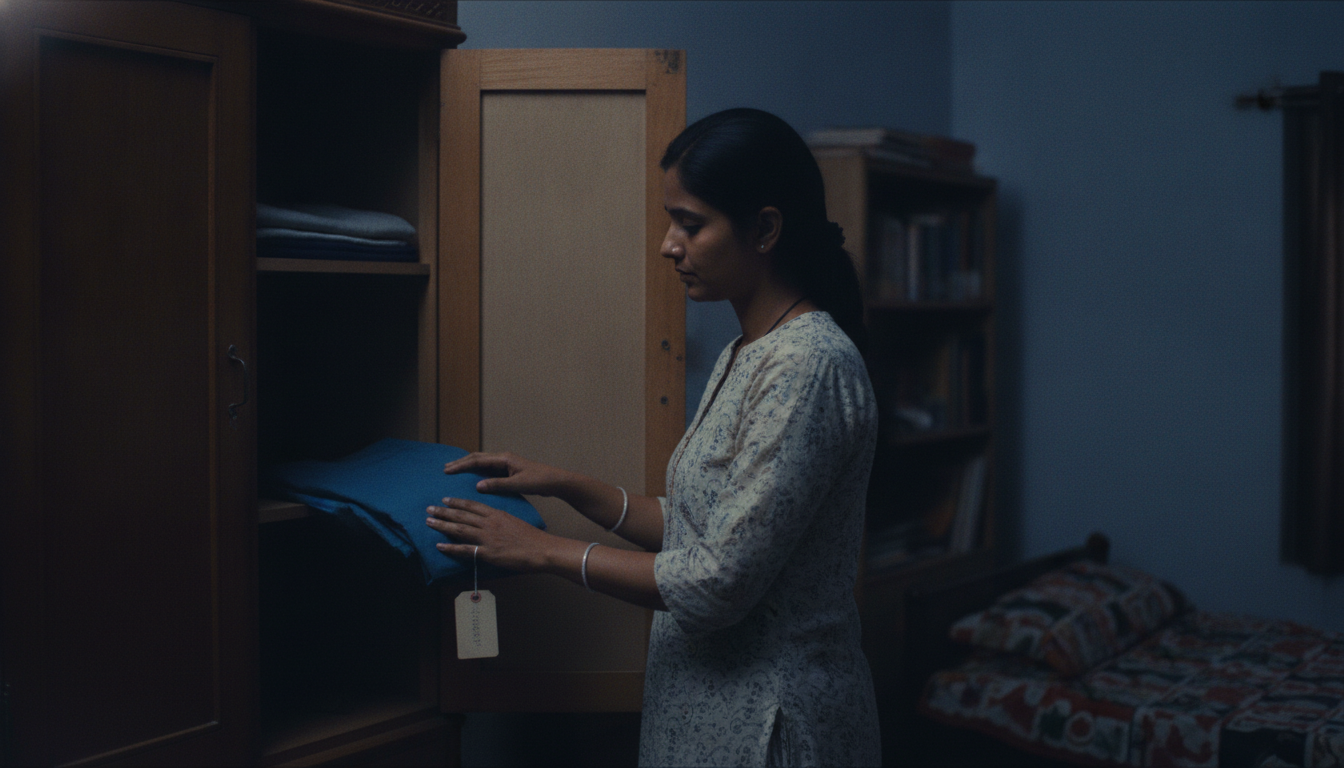
Meera in Pune orders a kurta in the festive sale. The page says free returns, try at home, so she tells herself it is a safe buy. If it does not fit, it goes back.
The parcel comes. She tries the kurta on, looks in the mirror, and thinks it is fine. Not great, fine. The return pickup needs a form, a box and a slot at home. She puts it on a hanger for now. Three weeks later it is still in the cupboard with the tag on, and the return window has closed.
What the model is
The endowment effect is the habit of valuing a thing more once it is yours. The same kurta felt like a maybe on the screen. Once it was in the house, it felt like something Meera owned, and giving it up started to feel like a small loss.
The idea comes from the economist Richard Thaler. Daniel Kahneman and Jack Knetsch tested it with coffee mugs: people who were handed a mug wanted more to sell it than others were ready to pay for the same mug. Owning it, even for a short while, changed what it felt worth.
Worked through
See what changed for Meera between the screen and the cupboard.
On the screen, the question was: do I want this kurta at this price? That is a clean question.
At home, the question quietly became: am I willing to give up my kurta? That is a different question, and it is harder to say yes to. Add the effort of packing and booking a pickup, and keeping it becomes the easy choice. Nobody decided to keep it. It just stayed.
So the free return was not really free. It had a cost, and the cost was paid in the feeling of ownership and the effort of returning.
Where the model stops
The endowment effect does not say that every purchase is a mistake. Sometimes you try the kurta at home and you love it, and keeping it is right. The model only asks you to notice that after a day of owning something, your own feeling of "I like it" is no longer a clean signal. It also does not mean returns are bad. A return is useful when you really would send the thing back.
One thing to try today
Before you press pay on anything with free returns, ask: if returns did not exist, would I buy this at this price? Write yes or no in your notes app. If it is no, do not order it. If it is yes, order it and keep the answer. If something is already sitting in your cupboard with a tag, decide tonight whether it stays or goes, and book the pickup the same evening.
This is a way to think, not financial, medical or legal advice.
Each Sunday: one mental model and one real decision to try it on. Find them all in the /models library.
One model a week.
Each Sunday: one mental model and one real decision to try it on. One click stops it, and the list is never sold or shared.