
Deliberate practice: ten years of driving, one year of learning
Deliberate practice is practice with a narrow goal, quick feedback and work at the edge of your skill, tried here on a driver of ten years who still hands over the keys for reverse parking.
- learning
- autopilot
- hermes
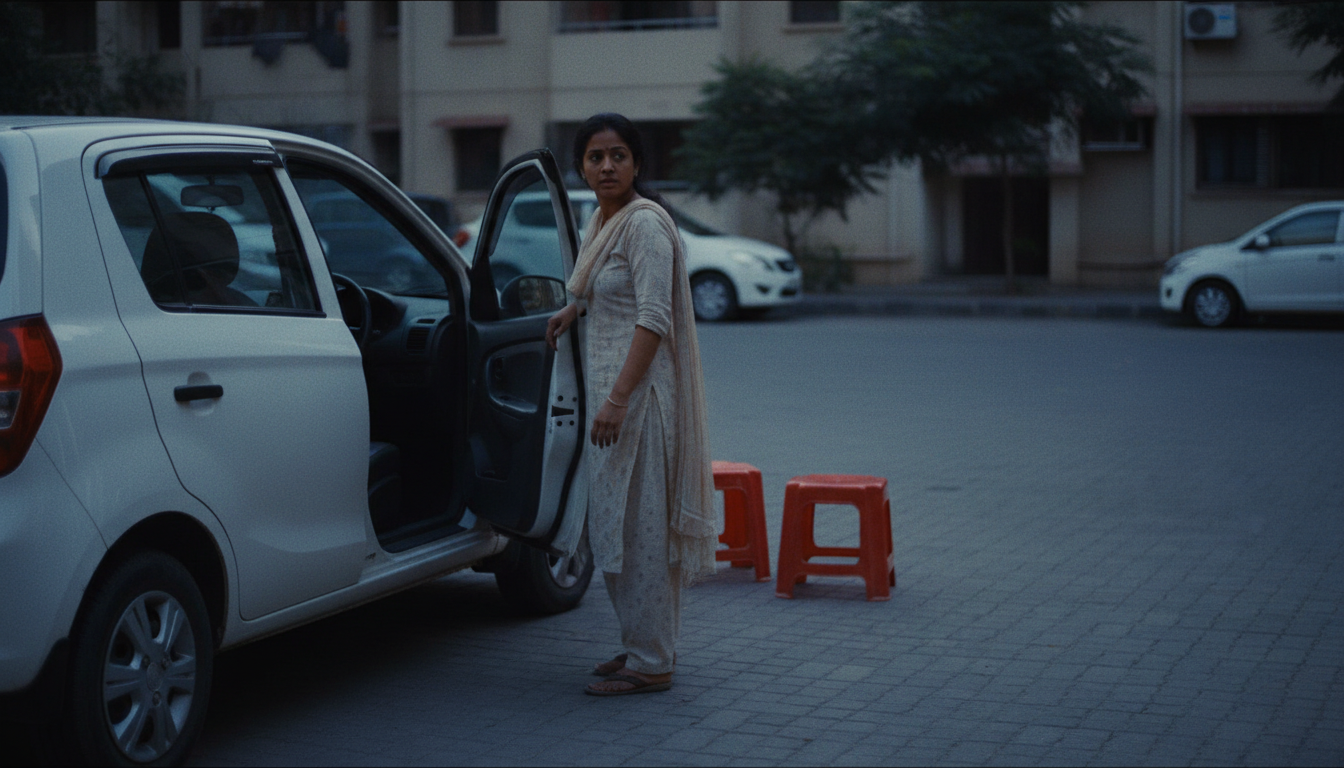
Meera has driven her hatchback for ten years. At the mall, she pulls up to the parking bay, switches off the engine and hands the keys to the guard. Reverse parking is his job. On weekends, when her younger brother is with her, it is his job. She has done this so long that nobody, including her, thinks it is strange.
Her ten years of driving feel like ten years of getting better. Look closer, and most of it was the first year. That year she learned the clutch, the mirrors, the lane change, the fear of the highway. The next nine years were the same drive to the same office, again and again.
What deliberate practice is
The psychologist Anders Ericsson studied how people get truly good at things, and the name "deliberate practice" comes from his work. Plainly, it has three parts. You pick one small skill with a clear goal. You get feedback quickly, from a person, a measurement or your own honest check. And you work just beyond what you can already do, where it feels a little uncomfortable.
Repeating something you can already do is not that. It keeps the skill alive, but it does not move it.
Meera's reverse parking
One Sunday, Meera decides to try. She takes her car to an empty corner of the society parking lot and puts two plastic stools down as a pretend bay.
First, the goal. Not "get better at parking", which is too vague to check. The goal is: reverse into the bay in one go, with the car straight inside the lines.
Second, feedback. She asks her brother to stand behind the car and tell her, after each try, how far off she was and on which side. Or she could record a short video on her phone and watch it.
Third, the edge. The first tries are bad. She hits a stool. She is slow and a little embarrassed, even with nobody watching. That feeling is the sign she is working at the edge of what she can do, and not the sign that she is bad at it.
After ten tries, she changes one small thing, where she looks when the rear wheel passes the line, and tries again. That is the whole method: one goal, one correction, one more try.
Where it stops
Deliberate practice is hard to keep going. It tires you out in a way that routine does not, so it works in short bursts, not in a whole evening. It also needs a skill that can be broken into small parts, with a way to tell whether you did better. Some things in life do not give clear feedback, and then you may need someone else to watch.
It is also easy to fool yourself. Doing more of the same, with more effort, can feel like practice. If nothing in your attempt is new or checked, it is only repetition.
One thing to try
Pick one small thing you do every week and always hand to someone else, or always do the same way. Before Sunday, write down one clear goal for it, and who or what will tell you how it went. Then give it twenty minutes this week, and note one thing you would change on the next try.
So the question for your own ten years is simple: is it ten years of experience, or one year of learning, ten times over?
Each Sunday: one mental model and one real decision to try it on. Find more at /models.
One model a week.
Each Sunday: one mental model and one real decision to try it on. One click stops it, and the list is never sold or shared.